
When certain cars excel in performance, design, or driving engagement, they can still fade into the background simply because a more famous sibling exists. This happens when a rival carries the same badge but dominates conversations, media mentions, and cultural significance. These eight models never had a chance to stand entirely on their own merits, overshadowed by legends, more powerful variants, or cars that achieved iconic status instead.
Toyota Celica GT-Four vs. Supra Legacy
The Toyota Supra, particularly the Mk4 variant, became synonymous with 1990s Japanese performance. Its straight-six engine, rear-wheel-drive handling characteristics, and role in popular media made it a tuning icon and a collector’s dream. Yet alongside it, the Celica GT-Four represented a different philosophy. Developed with World Rally Championship ambitions, the ST185 and ST205 models featured a turbocharged 3S-GTE four-cylinder engine paired with all-wheel drive—a rarity in performance cars of the era.
While the Supra appealed to drift enthusiasts and straight-line speed lovers, the GT-Four offered precision, traction, and rally-inspired purity. It was purpose-built, not just tuned for the street. Despite its technical excellence, it never received the same cultural spotlight. Today, it stands as one of Toyota’s most overlooked performance gems, eclipsed by the Supra’s broader appeal.
Nissan 300ZX and the Skyline Shadow
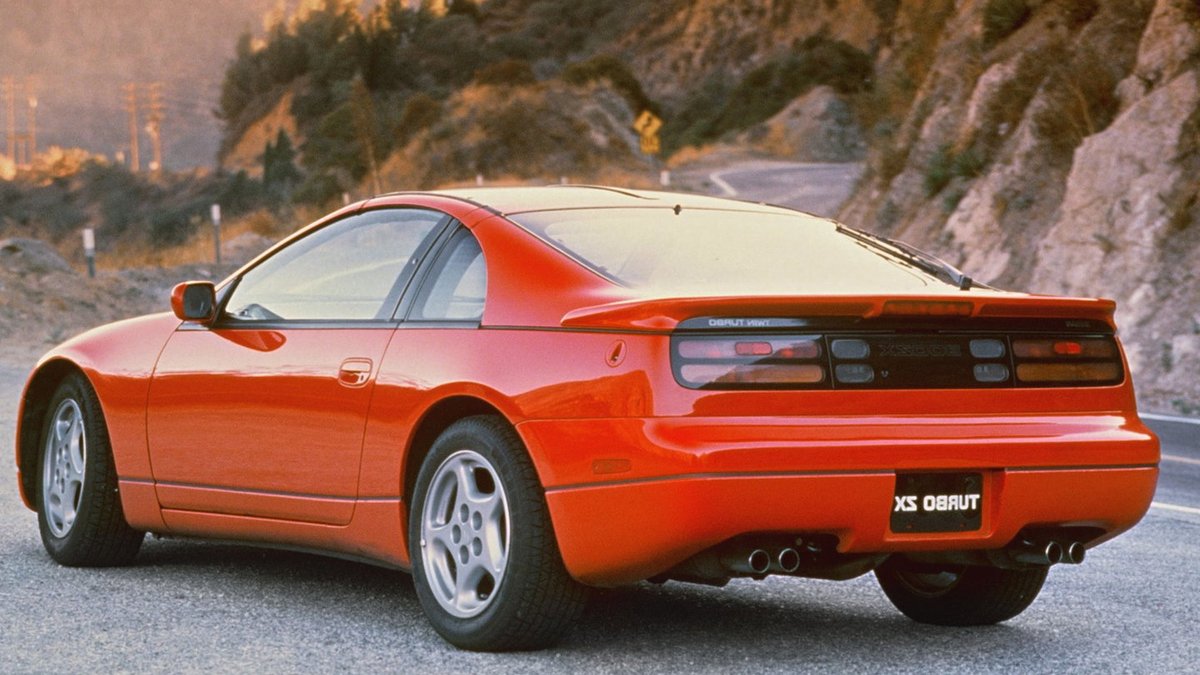
The Nissan Skyline GT-R looms large over all Nissan performance cars, especially the R32 through R34 generations. With its RB26DETT engine and all-wheel-drive Grip Control system, it became a gaming and film sensation, further cementing its mythos. The 300ZX, particularly the Z32 generation, competed in a different arena. Its twin-turbo 3.0-litre V6 delivered smooth power, while its low, wide stance and futuristic design marked it as a grand tourer of exceptional elegance.
The 300ZX balanced performance with comfort, offering sophisticated electronics and a refined driving experience. Had the GT-R not existed, the 300ZX might have been celebrated as Nissan’s premier sports car. Instead, it remains underappreciated, its achievements dimmed by the GT-R’s motorsport pedigree and cultural dominance. Its design language influenced later Nissan models, yet it rarely gets credit for that legacy.
BMW Z4 M Coupe and the E46 M3 Comparison
In the 2000s, the BMW M3 E46 set a near-perfect standard for the sports coupe: raw, responsive, and driver-focused. The Z4 M Coupe shared its heart—the naturally aspirated S54 straight-six—but packaged it into a smaller, more angular two-seater. Its long hood and compact rear gave it a purposeful stance, but its behavior was less refined than the M3’s. Where the M3 was polished, the Z4 M Coupe felt more unruly, almost anarchic in its delivery.
This roughness was part of its charm. Enthusiasts seeking a more visceral, less intimidating BMW M car found solace in the Z4 M Coupe. Its rarity only amplified its allure, making it a niche favorite among purists. It never matched the M3’s broad appeal, but its character made it a compelling alternative for those willing to trade everyday comfort for raw engagement.
The Audi S4 faced a similar dilemma. Positioned beneath the RS variants, it offered four-wheel-drive traction, understated styling, and everyday usability, all hallmarks of Audi’s S-line philosophy. Yet the RS4’s more aggressive engines and estate-based performance stole the spotlight.
The Audi S4’s understated approach contrasted sharply with the RS4’s track-ready aggression. While the RS4 commanded attention with its more powerful engine and estate silhouette, the S4 prioritized daily usability without sacrificing performance. Its permanent all-wheel-drive system provided confident traction, and the engine delivered smooth, linear power throughout the rev range. This practicality made it a smarter choice for many drivers, even as the RS4 dominated enthusiast circles with its limited-edition status and higher output.
Alfa Romeo GT and the Brera Overshadow
The Alfa Romeo Brera emerged as a head-turning favorite with its dramatic Giugiaro-inspired design and passionate marketing. Its wedge-shaped profile and bold styling gave it instant recognizability, while the available Busso V6 engine added aural excitement to match its appearance. Despite these advantages, the Brera struggled to maintain consistent production and sales, leaving it vulnerable to comparison with the more practical Alfa Romeo GT.
The GT, rooted in familiar Alfa design language from the 147 and 156 platforms, prioritized usability and comfort. It offered generous interior space and a refined driving experience, making it a more appealing choice for everyday use than the Brera’s sportier but less versatile setup. While the Brera captured headlines with its striking looks, the GT quietly delivered a well-rounded package that suited a broader range of drivers.
Peugeot 106 Rallye and the 205 GTI Shadow
The Peugeot 205 GTI remains a hot hatch legend, its lightweight chassis and punchy engine setting the benchmark for the genre. In contrast, the 106 Rallye arrived later, already burdened by comparisons to its more celebrated predecessor. Rather than chasing outright power, the Rallye chose simplicity with a naturally aspirated engine and minimal amenities, focusing on pure driving engagement.
Volvo S60 R and the Estate Expectation
The Volvo V70 R reinforced the perception that Volvo’s true performance credentials lived in the estate form. Its turbocharged engine and rugged handling made it a standout, while the S60 R sought to bring similar performance to a saloon platform.
Ford Puma and the Racing Reputation
The Ford Racing Puma raised the bar for hot hatch racers with its aggressive aerodynamics and serious chassis tuning. Its wider wheel arches and stiffer suspension gave it a purposeful look and feel that resonated with enthusiasts. However, the standard Puma laid the groundwork for this evolution, proving that excitement didn’t require extreme modifications.


