
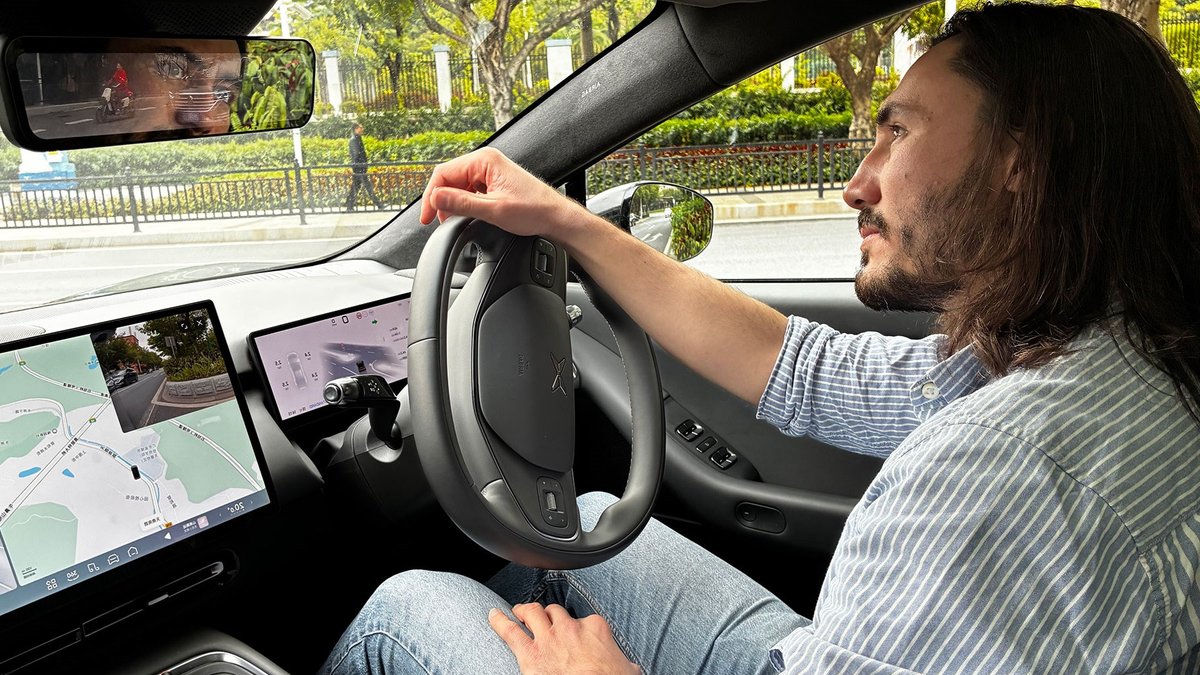
Driving in China can be a daunting experience, especially for foreigners. Luke Wilkinson, a seasoned driver, recently had his first experience driving in China and learned that the country’s complicated bureaucracy and chaotic traffic customs can be overwhelming.
Wilkinson had to obtain a temporary license from the local police station, which required an appointment, a series of documents, and a crash course in Chinese road etiquette. The process was more complicated than he expected, and he had to make his way through a complex system of paperwork and bureaucracy.
Obtaining a Temporary License
To get a temporary license, Wilkinson had to book an appointment at the local police station and bring several documents, including a photocopy of his driving license, his physical driving license card, his passport, and a passport-style photograph. He also had to be on his best behavior, as Chinese police officers are known to have a strict sense of humor.
The licensing process involved a brief interview, intense form filling, and a 30-minute narrated video on road safety, which included graphic footage of car accidents. Wilkinson found the experience to be grim and intense, but it was a necessary step to get his temporary license.
Driving in China
Once Wilkinson got his temporary license, he was ready to hit the road and test drive the Xpeng P7+. However, he quickly realized that driving in China was unlike anything he had experienced before. Chinese drivers tend to drive aggressively, cutting each other off and changing lanes without warning.
The roads were also filled with mopeds and pedestrians, who seemed to have no concept of self-preservation. Wilkinson found himself on edge, constantly watching out for potential hazards and trying to avoid accidents. He was exhausted after just 10 minutes of driving and realized that he needed to be extremely vigilant to stay safe on the road.
Read Also: Chinese Electric Cars Offer More EV for Less Cash
Wilkinson’s instructor, a local who had spent time in Europe coaching karting teams, seemed to struggle with the chaotic traffic as well. He turned to Wilkinson and said, “I hate coming home,”
Understanding China’s Traffic Culture
Wilkinson’s instructor offered some insights into why China’s traffic is so chaotic. One reason is that locals tend to take a relaxed approach to mobile phone laws, with many drivers using their phones while driving. This can lead to lane weaving, last-minute braking, and a general disregard for traffic laws.
Another reason is that Chinese drivers are often in a rush, trying to get to their destinations as quickly as possible. Apparently, that’s part of the reason why autonomous cars have grown in popularity so quickly in China.
Wilkinson’s experience driving in China was an eye-opener, and he was grateful to have made it through without causing an accident. His story serves as a cautionary tale for foreigners who plan to drive in China, highlighting the need to be prepared for the country’s unique traffic culture and bureaucracy.
It is clear that driving in China requires a great deal of caution and attention.
The country’s traffic culture is complex and challenging to handle.
Read Also: CAR Magazine’s Latest Issue Now Available Digitally
Foreigners who plan to drive in China should be aware of the potential hazards and take necessary precautions.
Wilkinson’s story is a useful reminder of the importance of being prepared and vigilant when driving in a foreign country.
The experience of driving in China can be overwhelming, but it can also be a valuable learning experience.
By understanding the local traffic culture and being mindful of the potential hazards, foreigners can reduce their risk of being involved in an accident.
China’s traffic laws and regulations are in place to help ensure safety on the roads.
However, the country’s chaotic traffic customs can make it difficult for foreigners to adjust.
Read Also: Range Rover finally goes electric
Wilkinson’s instructor played an important role in helping him understand the local traffic culture.
Wilkinson’s experience driving in China was a valuable learning experience, and it highlighted the importance of being prepared and vigilant when driving in a foreign country.
His story serves as a reminder to foreigners who plan to drive in China to be aware of the potential hazards and take necessary precautions.
By being mindful of the local traffic culture and taking steps to stay safe, foreigners can reduce their risk of being involved in an accident and have a more enjoyable and stress-free driving experience.
China’s unique traffic culture and bureaucracy can be challenging for foreigners to handle, but with the right guidance and preparation, it is possible to have a safe and successful driving experience.


