
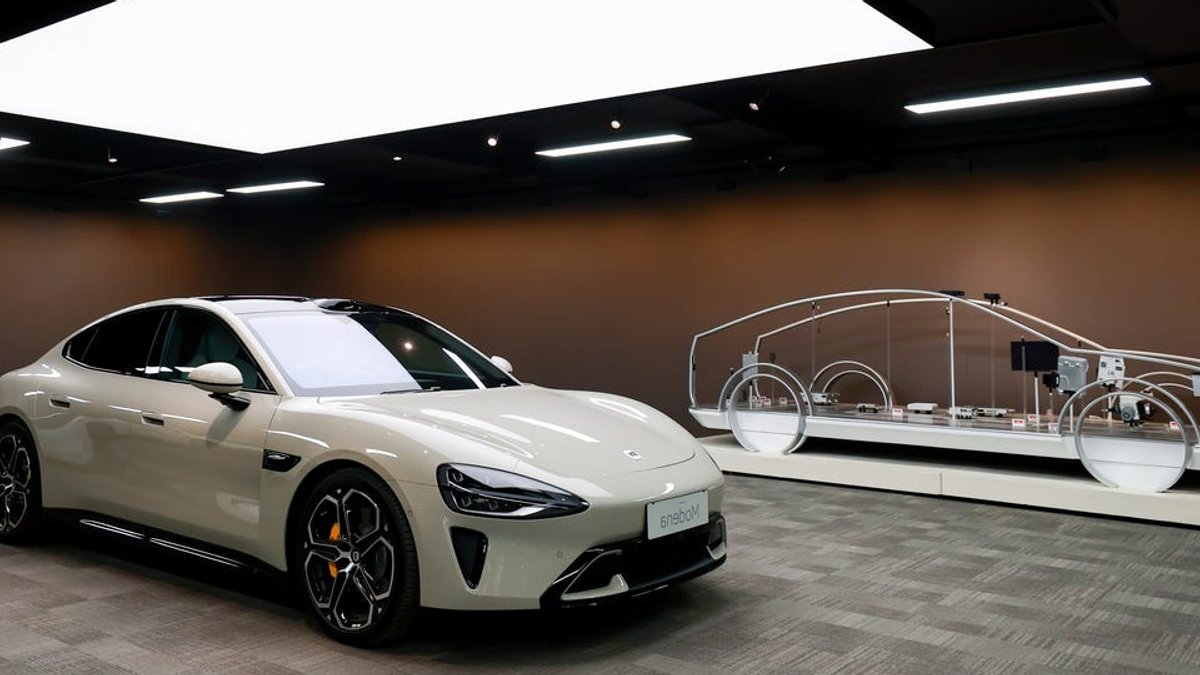
Automakers in the U.S. are advocating for Congress to establish a lasting prohibition on Chinese-built vehicles at American dealerships, positioning the measure as vital for safeguarding national security and maintaining fair competition.
The Alliance for Automotive Innovation, a coalition that includes manufacturers from General Motors and Toyota to Ferrari and Porsche, formally requested a complete ban in a recent statement. John Bozzella, the group’s president and CEO, highlighted concerns over embedded surveillance technology and China’s state-funded subsidies, which he claimed distort global markets. “We need to protect the U.S. market from a flood of Chinese imports that carry surveillance risk and disadvantage current manufacturers that have made generational investments in American communities,” Bozzella said, according to Reuters.
This legislative effort has drawn bipartisan backing in Congress. Senators Elissa Slotkin (D-MI) and Bernie Moreno (R-OH) introduced the Connected Vehicle Security Act of 2026 earlier this year, which secured unanimous approval from the Senate Commerce Committee this summer. The House version has accumulated over 100 cosponsors, though the timing of further action remains unclear. Staffers indicate that Democrats potentially regaining control of Congress following the midterm elections could postpone progress.
Chinese automakers have already made substantial inroads in Europe. The European Union imported more than 1.1 million Chinese vehicles between January and August 2026—nearly double the total for all of 2025. Volkswagen, a member of the Alliance, referenced this competitive pressure in its recent restructuring plans. Bozzella warned that without intervention, Chinese brands would likely mirror their European strategy in the U.S., further weakening domestic producers.
The Biden administration has already implemented regulations that essentially ban Chinese automakers from selling or building passenger vehicles in America over concerns about data privacy. Polestar will be banned from selling vehicles in the U.S. starting in 2027 as a result of these regulations. The proposed legislation would expand these restrictions by enforcing stricter security requirements and possibly banning all Chinese-made cars outright. Slotkin emphasized that China’s industrial policies, including heavily subsidized production and intellectual property theft, pose risks to U.S. industries beyond automobiles, such as drones and solar energy.
Traditional automakers insist that inaction could allow Chinese brands to achieve dominance in the U.S. market, similar to their success in Europe. A 100-percent tariff on Chinese electric vehicles also remains in place.


