
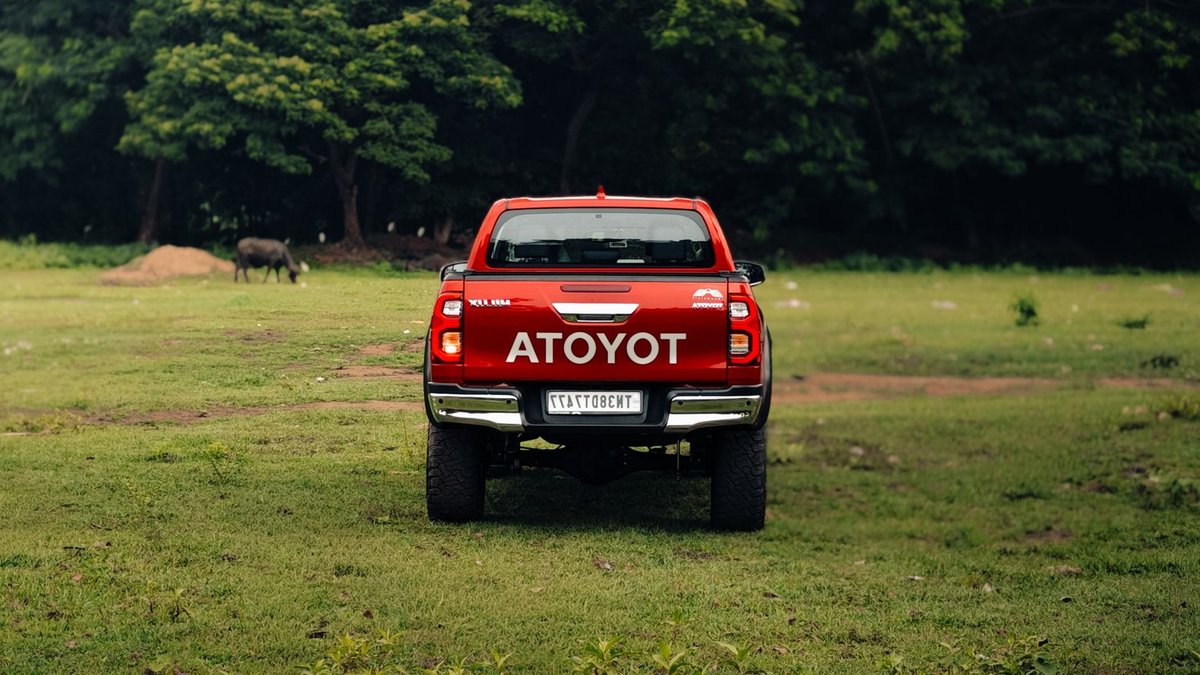
Toyota has unveiled a radical concept vehicle in Thailand that reimagines the pickup truck as a pure performance machine. Designed in Australia, the Hyper Z prototype is a no-holds-barred take on the Hilux, replacing the standard utility with extreme aerodynamics.
A Tribute to Thai Custom Culture
Thailand’s pickup truck customization scene is one of a kind, and the Hyper Z build is a tribute to this culture. The Hilux, with its 150-hp diesel engine, serves as a foundation, but the Hyper Z takes a different approach. In Southeast Asia, pickup trucks are not just used for work, but also as a means of personal expression.
Thai customizers turn their trucks into insane builds that would rival anything found at a major automotive event. Toyota turned to its Australian design department for the Hyper Z, which reacted by building a Hilux that is so crazy it is not even really a pickup truck anymore.
Extreme Aerodynamics and Design
The Hyper Z prototype boasts extremely wide bodywork, barely containing its 325/35 series tires on 22-inch wheels. Its aerodynamic features are numerous, including a large front splitter, a rear diffuser, and ground effects. The result is a vehicle with a unique appearance.
The most striking feature is the rear wing. It occupies the entirety of the pickup truck’s bed, creating an X-shaped design that effectively turns the cargo area into a massive wing. This design choice prioritizes downforce over utility, meaning whatever you plan to pick up better fit in the glovebox.
The standard Hilux Travo is equipped with a 2.4-liter turbo-diesel engine, producing 150 horsepower. However, despite the presence of a large Hilux-branded intercooler on the Hyper Z, Toyota has not released any power figures for the prototype. Instead, the Hyper Z is a celebration of Thailand’s custom truck culture, showcasing what is possible.
Market Considerations
Toyota positions the Hilux in Southeast Asia with a focus on customization. Overseas, the truck is offered in both a high-floor and low-floor model, the latter riding low so that it is easier to load and unload for practical working conditions. Conversely, the U.S. market features pickups of all sizes that have never been taller, making loading difficult for commercial applications. Could Toyota successfully market a low-floor Tacoma model, one that is a little easier to live with for commercial applications? The Hyper Z Prototype is a cool way to shine a light on a slice of automotive culture that is specific to a region.


